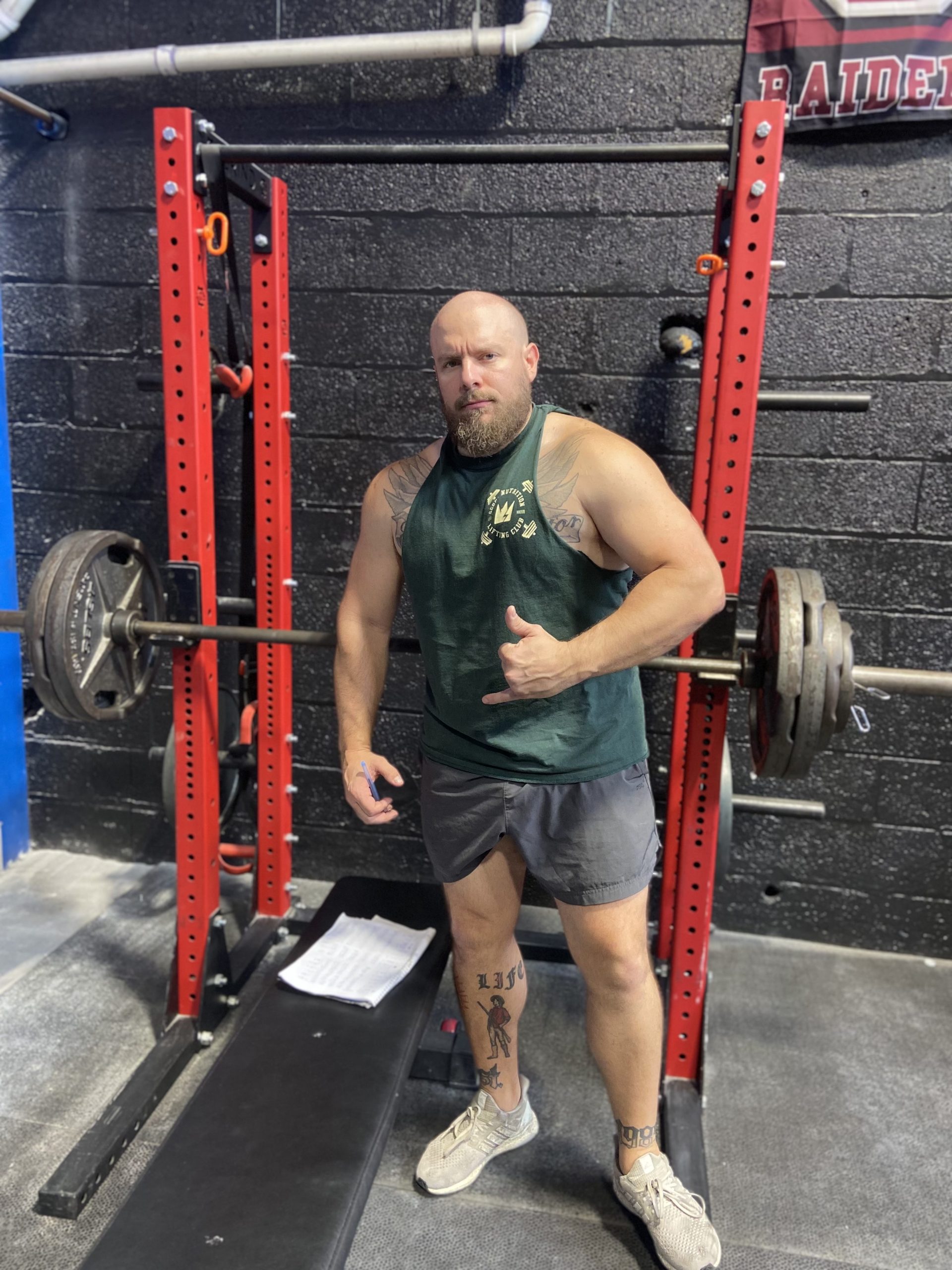
Athletes Need to Lift Heavy Weights During the Offseason by Coach Mosess Menendez
As a strength & conditioning coach I see lots of mistakes made every offseason and want to point out seven points on why athletes need to go hard & heavy in their offseason! The offseason is a critical period for athletes, serving as a time to recuperate, refine skills, and enhance physical conditioning. Among various training strategies, lifting heavy weights stands out as a vital component for athletes aiming to elevate their performance in the following season. Here’s a detailed look into why heavy strength training is essential during this phase.
1. Building Strength-
Muscle Hypertrophy Lifting heavy weights promotes muscle growth, which translates to increased strength. This is particularly important for athletes in all sports, where sheer strength can determine performance. Functional Strength Heavy lifting develops not only the size of muscles but also their functional capabilities, enabling athletes to perform better in their specific sports.
2.Enhancing Power Output-
Explosive Movements Heavy weight training enhances an athlete’s ability to generate power quickly. This is crucial for sports that require explosive actions, such as sprinting, jumping, and throwing.
Improved Rate of Force Development (RFD) Training with heavy weights increases the speed at which force can be applied, improving overall athletic performance.
3. Injury Prevention-
Strengthening Connective Tissues Lifting heavy weights not only builds muscle but also strengthens ligaments and tendons, reducing the risk of injuries during the competitive season.
Joint Stability Improved strength around joints contributes to better stability, helping athletes avoid common injuries related to instability.
4. Metabolic Adaptations-
Increased Metabolic Rate Heavy lifting enhances resting metabolic rate (RMR), which can help athletes maintain a healthy body composition during the offseason.
Improved Endurance Contrary to the belief that heavy lifting is solely for strength, it can also improve muscular endurance when integrated with proper training techniques.
5.Psychological Benefits-
Mental Toughness Heavy lifting can foster a strong mental attitude. The discipline required to lift heavy weights translates well into the mental demands of competitive sports.
Confidence Boost Achieving new personal bests in lifting can enhance an athlete’s confidence in their physical abilities, which can be beneficial for their overall performance.
6.Recovery and Adaptation-
Active Recovery
The offseason allows athletes to engage in lifting heavy weights as a form of active recovery. It helps to maintain fitness levels while giving the body time to heal from the previous season.
Adaptation to Training Stress Heavy lifting during this period can help athletes adapt to the physical stresses they will encounter once the season resumes, allowing for a smoother transition back to sport-specific training.
7.Customization and Specialization-
Targeted Training
The offseason allows athletes to tailor their weightlifting programs to target specific weaknesses or imbalances identified in the previous season, making it a personalized approach to strength training.
Incorporating Sport-Specific Movements Athletes can integrate movements that mimic their sport, ensuring that the strength gained is directly applicable to their performance.
Conclusion
In summary, lifting heavy weights during the offseason is not just about building muscle; it’s a multifaceted approach that enhances strength, power, and overall athletic performance while also serving as a preventive measure against injuries. Athletes who utilize this time to focus on heavy lifting will likely return to their sport stronger, more resilient, and ready to compete at their best. As the saying goes, “Offseason is when champions are made,” and heavy lifting plays an indispensable role in that journey.
Thank you for reading and please feel free to follow me on social media:
X-@MenendezMosess
IG-@TPC_Strengthsystem & @The_Mosess_Mania